How to Brew Herbal Tea: Fresh Herbs, Dried Herbs & Roots
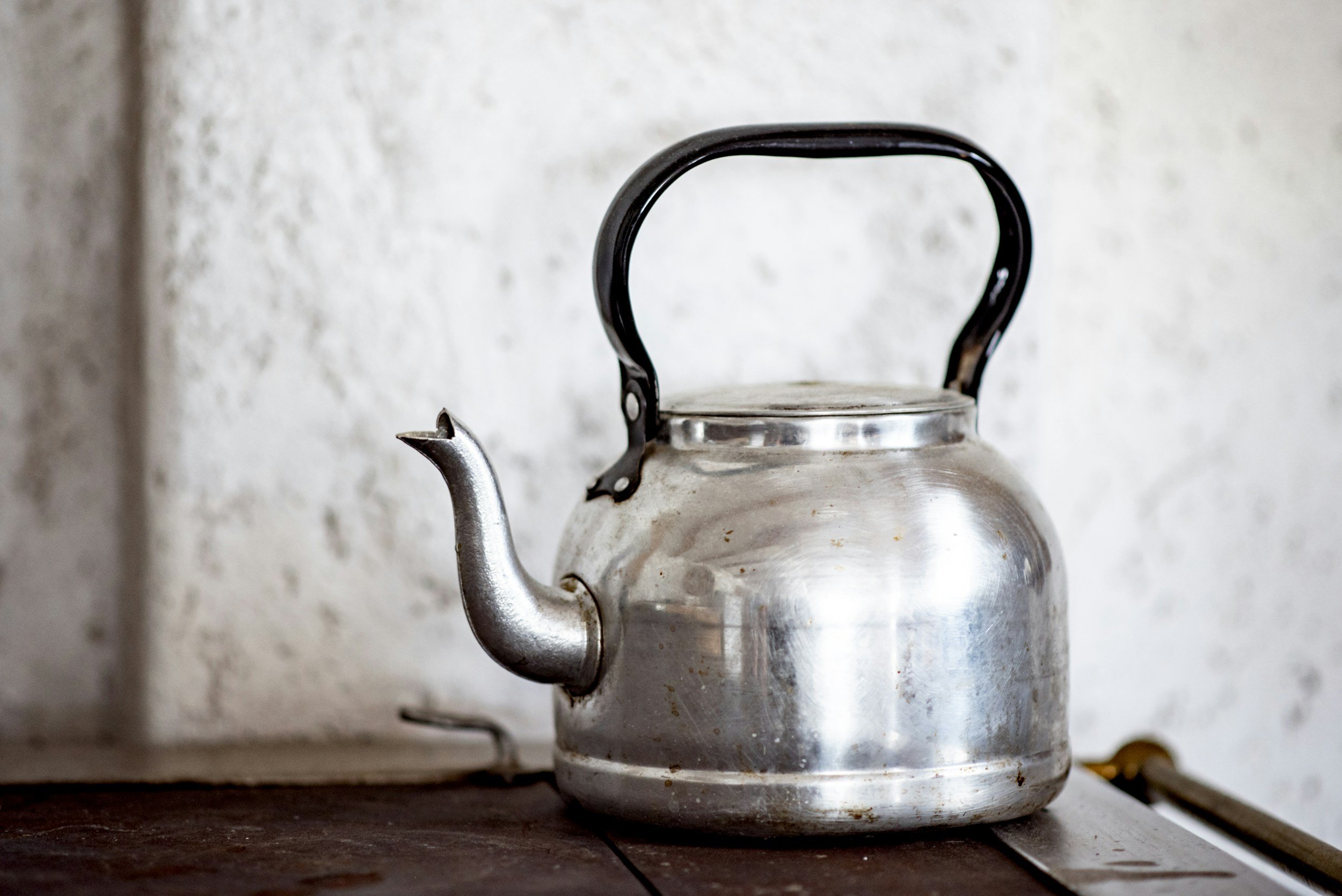
How to Brew Herbal Tea
Not all herbal tea is brewed the same way, and knowing the difference can make a real impact on what ends up in your cup. Leaves and flowers want a gentle steep. Roots, bark, and seeds need something sturdier, a simmer. Here's a simple guide to help you get the most out of whatever you're steeping.
Fresh Herb Infusion
The simple act of brewing a cup of tea is a quiet ritual of connection, to nature, to yourself, and to the moment. Even being near a plant, touching its leaves, inhaling its scent, or watching it grow, can offer a sense of calm and presence.
Ingredients
3 to 4 tablespoons fresh a herb or herbs of choice
8 to 10 oz boiling filtered water
Optional: honey or a squeeze of lemon
Instructions
Lightly bruise or tear the fresh herbs to release their aroma and beneficial compounds.
Place the herbs into a muslin bag or directly into a mug.
Pour boiling water over the herbs.
Cover with a lid or small plate to retain the steam and volatile oils.
Let steep for about 10-15 minutes.
Strain, sweeten if desired, and sip slowly.
Breathe in the aroma; it's part of the experience.
Dried Herb Infusion
Dried herbs work the same way as fresh, just slightly more concentrated.
Ingredients
1 to 2 tablespoons dried herb of choice
8 to 10 oz boiling filtered water
Optional: honey or a squeeze of lemon
Instructions
Place dried herbs into a tea ball, muslin bag, or directly into a mug.
Pour boiling water over the herbs and cover with a small plate to retain the volatile oils.
Steep for 10-15 minutes, depending on how strong you like it.
Strain, sweeten if desired, and enjoy.
Cold Infusion (Overnight Steep)
Some plants do best with time rather than heat. A cold infusion, sometimes called an overnight steep, is a gentle way to draw out the soothing, mucilaginous quality found in certain roots and herbs. Heat can actually work against these particular plants, so a slow, cold extraction is traditionally preferred.
Ingredients
1 to 2 tablespoons dried mucilaginous herb of your choice.
8 to 10 oz cool or room temperature filtered water.
A jar with a lid
Instructions
Place the dried herb into a jar.
Cover with cool or room temperature water and stir gently.
Cover the jar and let it steep in the refrigerator for 4 to 8 hours, or overnight.
Strain well, pressing gently to release the liquid from the plant material.
Drink chilled, or warm gently on the stove if you prefer it hot. Avoid boiling, since heat isn't needed for this method and can change the quality of the infusion.
Prepared this way, mucilaginous herbs are traditionally valued for their soothing, slippery texture, a gentle quality many find comforting. It's a lovely option to keep in the fridge and sip on throughout the day.
Root, Bark & Seed Decoction
Tougher plant materials, roots, bark, seeds, and dried berries, don't release their beneficial properties with a simple steep the way leaves and flowers do. They need a gentle simmer instead.
Ingredients & Equipment
1 tablespoon dried herb (roots, bark, seeds, or berries) per 1 cup water
8 oz of filtered water
Small pot with a lid
Fine mesh strainer
Instructions
Measure and add herbs.
Place the herbs into a small pot, using about 1 tablespoon of dried plant material per cup of water.
Add water. Pour the measured water over the herbs.
Bring to a boil. Cover the pot and bring to a gentle boil.
Reduce heat to low and let simmer for about 20 minutes.
The tougher the material, the longer it should simmer.
Stir occasionally and keep covered.Strain and serve.
Remove from heat, let cool slightly, then strain using a fine mesh strainer or cheesecloth.
Enjoy or store. Drink warm, or store in the refrigerator up to 48 hours, reheating as needed.
If the taste is too strong, dilute with warm water or add honey.
A Simple Recommendation
Whichever method you're using, take a moment while you wait. Use this time to pause, check in with your body, and enjoy a bit of herbal goodness in your day.
Where to Start
If you're not sure which herbs suit what you're navigating right now, that's exactly what a herbal consultation is for, whether we meet in person in Waco or by video from wherever you are. You'll find many of these herbs, fresh, dried, and in ready-made blends, in the apothecary shop or through our Etsy shop.